
Oxycodone Uses, Side Effects, Safety & Prescription Guide
Learn about Oxycodone, its medical uses, side effects, prescription requirements, drug interactions, opioid risks and safe pain management guidelines. Oxycodone, Oxycodone uses, Oxycodone side effects, Oxycodone prescription, Oxycodone safety, opioid pain medication, Oxycodone withdrawal, Oxycodone overdose, opioid medication guidelines.

Introduction to Oxycodone Uses
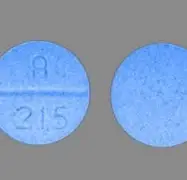
Oxycodone is a prescription opioid medication used to manage certain types of moderate to severe pain when other pain-relief treatments may not be sufficient. It is a powerful medicine that acts on the central nervous system to reduce the perception of pain. Healthcare professionals may prescribe it in specific circumstances, including after surgery, following serious injuries, or for certain chronic or cancer-related pain conditions.
Although Oxycodone can provide significant pain relief, it also carries important risks. These include drowsiness, constipation, physical dependence, addiction, respiratory depression and potentially fatal overdose. Understanding how Oxycodone works, when it may be prescribed, and how to use it responsibly is essential for anyone receiving opioid treatment.
This guide explains Oxycodone’s medical applications, potential side effects, prescription considerations, drug interactions, safety precautions and the importance of professional medical supervision.
What Is Oxycodone?
Oxycodone is an opioid analgesic, meaning it belongs to a group of medicines that relieve pain by acting on opioid receptors within the nervous system.
It changes how the brain and spinal cord process pain signals. As a result, a person taking Oxycodone under medical supervision may experience reduced pain intensity and improved ability to manage certain daily activities.
Oxycodone is not appropriate for every type of pain. Its use depends on the severity of symptoms, the patient’s medical history, previous treatments, risk factors and the clinical judgement of a qualified healthcare professional.
How Oxycodone Works
Oxycodone interacts primarily with mu-opioid receptors in the brain and spinal cord. These receptors are involved in pain perception, emotional responses to pain and other physiological functions.
By activating these receptors, Oxycodone can:
- Reduce the perception of pain.
- Change the emotional response to pain.
- Produce sedation or drowsiness.
- Affect breathing and respiratory function.
- Influence the digestive system, often causing constipation.
The same mechanisms that make Oxycodone effective for pain relief also explain why it can be associated with dependence, impairment and overdose.
Is Oxycodone an Opioid?
Yes. Oxycodone is a prescription opioid. Opioids include several medicines used in pain management, such as morphine, hydromorphone and fentanyl.
Opioids can be beneficial when prescribed appropriately, but they require careful monitoring because they can affect breathing, alertness, judgement and the body’s ability to function without the medication.
What Is Oxycodone Used For?
Oxycodone may be prescribed for pain that is sufficiently severe to require opioid treatment and for which other options are inadequate or unsuitable.
The decision to prescribe Oxycodone is individualised. A doctor evaluates the potential benefits of pain relief against the risks associated with opioid exposure.
Oxycodone for Acute Pain
Acute pain generally develops suddenly and may be associated with an injury, surgical procedure, illness or other temporary medical condition.
In selected cases, a healthcare professional may prescribe Oxycodone as part of a broader pain-management plan. The treatment plan may also include non-opioid medicines, physical recovery strategies and other appropriate interventions.
The goal is to provide adequate pain relief while minimising unnecessary opioid exposure.
Oxycodone for Post-Surgical Pain
Pain following surgery can vary significantly depending on the procedure, the individual and the recovery process.
A doctor may consider an opioid medication when post-surgical pain is severe and other treatment approaches are not sufficient.
Patients should follow their discharge instructions carefully, report unexpected symptoms and avoid independently changing their prescribed medication.

Oxycodone for Cancer-Related Pain
Cancer and cancer treatments can cause significant pain. In some circumstances, opioid medications are an important component of cancer pain management.
Oxycodone may be considered by an oncology team or pain specialist when appropriate. Treatment may involve regular reassessment to ensure pain relief, monitor adverse effects and adjust the overall care plan.
Oxycodone for Chronic Pain
Chronic pain lasts longer than the expected period of recovery and can affect physical activity, sleep, emotional wellbeing and quality of life.
Oxycodone is not generally a first-line treatment for many chronic pain conditions. Long-term opioid treatment requires careful assessment, monitoring and a clear discussion of risks, benefits and alternatives.
Doctors may consider non-opioid medicines, physical therapy, psychological interventions, lifestyle strategies and other specialised treatments.
Types and Formulations of Oxycodone Uses
Oxycodone is available in different prescription formulations. The formulation selected depends on the clinical situation, patient characteristics and the prescriber’s judgement.
Immediate-Release Oxycodone
Immediate-release formulations are designed to release the medication relatively quickly after administration.
Healthcare professionals may consider this type of formulation in certain pain-management situations. The prescription instructions should always be followed because the medicine can cause sedation, respiratory depression and other serious adverse effects.
Extended-Release Oxycodone
Extended-release formulations are designed to release medication over a prolonged period.
These formulations are intended for specific clinical circumstances and require particular attention to prescription instructions. Altering, crushing or manipulating some extended-release products can interfere with their intended release mechanism and may cause serious harm.
Patients should never modify a medication formulation unless a pharmacist or prescribing clinician confirms that doing so is safe.
Why Formulation Matters
Different formulations are not necessarily interchangeable. Their release characteristics, clinical indications and safety considerations can vary.

Patients should:
- Check the medicine name and formulation on the pharmacy label.
- Ask a pharmacist if the prescription or packaging is unclear.
- Avoid substituting one formulation for another independently.
- Follow the prescribed instructions rather than relying on information from another patient.
- Report unexpected effects or difficulties taking the medicine.
Oxycodone Uses – Oxycodone Prescription Guidelines
Oxycodone is a controlled prescription medication in many countries because of its potential for misuse, dependence and overdose.
The rules governing prescriptions, dispensing, refill limits and controlled-substance monitoring vary by country and jurisdiction.
Why Oxycodone Requires a Prescription
Oxycodone can produce serious adverse effects, including life-threatening respiratory depression. It may also cause tolerance, physical dependence and opioid use disorder.
A medical assessment helps determine whether opioid treatment is appropriate and whether the potential benefits outweigh the risks.
A healthcare professional may evaluate:
- The nature and severity of the pain.
- The underlying medical condition.
- Previous pain treatments.
- Current medicines and supplements.
- Respiratory conditions.
- Liver or kidney problems.
- Previous opioid exposure.
- Substance-use history and relevant risk factors.
- Potential drug interactions.
- The expected duration of treatment.
What to Discuss With Your Doctor
Before starting Oxycodone, patients should provide accurate information about their health and medications.
Discuss the following:
- Allergies or previous reactions to medications.
- Breathing difficulties or sleep-related breathing disorders.
- Liver or kidney disease.
- Pregnancy or breastfeeding.
- Alcohol consumption.
- Other prescription medications.
- Over-the-counter medicines.
- Herbal supplements.
- Previous opioid use or dependence.
- Symptoms that may require additional treatment.
This information helps clinicians develop a safer and more appropriate treatment plan.
Prescription Refills and Follow-Up
Prescription refills should be managed through the prescribing clinician and a licensed pharmacy.
Patients should not use another person’s prescription, obtain medication through unauthorised sellers or independently increase their medication use.
Follow-up appointments allow healthcare professionals to assess pain relief, side effects, daily functioning and whether the treatment remains appropriate.
Oxycodone Uses – Oxycodone Side Effects
Oxycodone may cause side effects ranging from mild discomfort to serious medical complications.
The likelihood and severity of side effects vary depending on individual factors, the medicine’s formulation, other medications and the patient’s overall health.
Common Oxycodone Side Effects
Common adverse effects may include:
- Nausea.
- Vomiting.
- Constipation.
- Drowsiness.
- Dizziness.
- Headache.
- Dry mouth.
- Sweating.
- Itching.
- Weakness.
Some side effects may improve as the body adjusts, but patients should consult their healthcare professional if symptoms are persistent, severe or concerning.
Drowsiness and Dizziness
Oxycodone can impair alertness, concentration, coordination and judgement.
These effects may increase the risk of falls, accidents and injuries, particularly in older adults.
Patients should avoid driving, operating machinery or performing activities requiring alertness until they understand how the medication affects them and their clinician confirms that such activities are appropriate.
Constipation
Constipation is a common opioid-related adverse effect because opioids can reduce gastrointestinal movement.
A healthcare professional may recommend an appropriate bowel-management strategy. Patients should seek medical advice if constipation becomes severe, persistent or accompanied by concerning symptoms such as significant abdominal pain or vomiting.
Nausea and Vomiting
Some patients experience nausea or vomiting while taking Oxycodone.
If these symptoms interfere with eating, drinking, medication use or daily functioning, a clinician may assess the cause and recommend suitable management.
Serious Side Effects
Serious adverse effects may include:
- Slow or shallow breathing.
- Severe sedation.
- Confusion.
- Fainting.
- Severe allergic reactions.
- Unusual difficulty waking.
- Severe weakness.
- Significant changes in heart rate or blood pressure.
Serious symptoms require prompt medical attention.
Oxycodone Uses – Overdose: Symptoms and Emergency Response
Oxycodone overdose can be life-threatening. Opioids can suppress the respiratory system, making it difficult or impossible for a person to breathe adequately.
An overdose may occur accidentally or intentionally, and the risk can increase when opioids are combined with other sedating substances.
Recognising Opioid Overdose
Possible signs of opioid overdose include:
- Very slow, shallow or irregular breathing.
- Unresponsiveness.
- Difficulty waking the person.
- Extreme drowsiness.
- Limpness.
- Blue, grey or unusually pale lips or skin.
- Pinpoint pupils.
- Gurgling, choking or unusual breathing sounds.
Not every symptom will necessarily be present.
What to Do in an Emergency
If an opioid overdose is suspected:
- Call your local emergency medical service immediately.
- Administer naloxone if it is available and appropriate, following its instructions.
- Follow the emergency operator’s directions.
- If the person is breathing but unconscious, place them in the recovery position when appropriate.
- If they are not breathing normally, follow the emergency operator’s instructions for CPR or rescue breathing.
- Stay with the person until emergency responders arrive.
Naloxone can temporarily reverse opioid overdose, but emergency medical evaluation is still necessary because symptoms can return.
Oxycodone Uses And Drug Interactions
Oxycodone can interact with several medications and substances. Some interactions increase sedation, impair coordination or suppress breathing.
Patients should tell their doctor and pharmacist about all medications and supplements they use.
Oxycodone and Alcohol
Alcohol can increase the sedating effects of Oxycodone.
Combining alcohol with opioids may increase the risk of severe sedation, respiratory depression, impaired judgement, unconsciousness and death.
Avoid alcohol while taking Oxycodone unless a healthcare professional specifically advises otherwise.
Oxycodone and Benzodiazepines
Benzodiazepines are medicines sometimes prescribed for anxiety, certain sleep problems and other conditions.
Combining benzodiazepines with Oxycodone can increase the risk of profound sedation, respiratory depression, coma and death.
Examples of benzodiazepines include alprazolam, clonazepam and diazepam.
Patients taking both medications should discuss the risks with their healthcare professional and should not make independent medication changes.
Oxycodone and Other Sedating Medicines
Other substances that may increase sedation or breathing-related risks include:
- Certain sleeping medications.
- Some muscle relaxants.
- Other opioid medications.
- Certain antihistamines.
- Some psychiatric medications.
- Other medicines that suppress the central nervous system.
The interaction risk depends on the medication, dose, timing, health conditions and other factors.
Oxycodone and Herbal Supplements
Some herbal products and dietary supplements may affect sedation, drug metabolism or other physiological processes.
Patients should inform their pharmacist about supplements, including products used for sleep, anxiety or pain management.
Oxycodone Uses, Dependence, Tolerance and Addiction
Opioids can affect the body’s reward system and may lead to tolerance, physical dependence or opioid use disorder.
These terms describe different processes and should not be confused.
Oxycodone Uses – What Is Opioid Tolerance?
Tolerance occurs when the body becomes less responsive to a medication over time.
A person may experience reduced effects from a medication despite using it as prescribed. Tolerance does not necessarily mean addiction, but it can complicate treatment and increase risks if the medication is changed without medical guidance.
Oxycodone Uses – What Is Physical Dependence?
Physical dependence occurs when the body adapts to regular medication exposure.
When a physically dependent person stops taking an opioid or significantly changes their medication, withdrawal symptoms may develop.
Physical dependence can occur even when someone has taken a medication according to their prescription.
Oxycodone Uses – What Is Opioid Use Disorder?
Opioid use disorder is a medical condition involving problematic opioid use that causes significant impairment or distress.
Possible signs may include:
- Strong cravings.
- Difficulty controlling medication use.
- Continued use despite harm.
- Spending substantial time obtaining or using opioids.
- Continued use despite problems at work, home or in relationships.
- Using opioids in ways that are not medically directed.
Opioid use disorder is treatable. Medical support, evidence-based treatment and compassionate care can help people recover.
Oxycodone Uses / Withdrawal Symptoms
Withdrawal may occur when a person who has developed physical dependence stops using opioids or significantly reduces their use.
Symptoms may include:
- Anxiety.
- Restlessness.
- Sweating.
- Muscle aches.
- Insomnia.
- Nausea.
- Vomiting.
- Diarrhoea.
- Abdominal discomfort.
- Runny nose.
- Increased heart rate.
Withdrawal can be uncomfortable and may require medical support.
Why Medical Guidance Matters When Stopping Oxycodone
People who have been taking Oxycodone regularly should not abruptly stop or independently change their medication without professional advice.
A clinician can assess the situation and discuss an individualised treatment approach.
If opioid use disorder is present, evidence-based treatment options may include medications such as buprenorphine or methadone, alongside appropriate medical and psychosocial support.
How to Use Oxycodone More Safely

Responsible opioid use involves
1. What is Oxycodone used for?
Oxycodone is a prescription opioid used to manage certain types of moderate to severe pain when other treatment options are inadequate or unsuitable.
2. Is Oxycodone a strong pain medication?
Yes. Oxycodone is a potent opioid analgesic that can provide significant pain relief but also carries risks of sedation, respiratory depression, dependence and overdose.
3. Is Oxycodone available without a prescription?
Oxycodone is a prescription-controlled medication in many countries. It should be obtained only through legitimate medical and pharmacy channels in accordance with local laws.
4. What are the common side effects of Oxycodone?
Common side effects include nausea, constipation, dizziness, drowsiness, vomiting, sweating and dry mouth.
5. Can Oxycodone cause addiction? / Oxycodone Uses
Yes. Oxycodone can lead to opioid use disorder in some people. Risk varies according to individual factors, treatment circumstances and patterns of use.
6. Can I drink alcohol while taking OxycodoneIR? / Oxycodone Uses
Alcohol can increase the sedating effects of Oxycodone and the risk of respiratory depression, unconsciousness and death. Avoid combining them.
7. What happens if I stop taking OxycodoneIR suddenly? / Oxycodone Uses
People who have developed physical dependence may experience withdrawal symptoms. Medical guidance is recommended before stopping or changing regular opioid treatment.
8. Can OxycodoneIR cause an overdose? / Oxycodone Uses
Yes. Oxycodone overdose can cause dangerously slow breathing, unconsciousness and death. Emergency medical care and naloxone, when available, can be lifesaving.
9. How can I verify an online pharmacy? / Oxycodone Uses
Check the pharmacy’s registration with the official medicines regulator in your country. Avoid websites that offer controlled medications without a valid prescription or proper medical assessment.
10. What are alternatives to Oxycodone?
Depending on the condition, alternatives may include non-opioid medications, physical therapy, behavioural interventions, rehabilitation or other specialised pain-management treatments.
11. Can OxycodoneIR interact with other medications?
Yes. Oxycodone can interact with benzodiazepines, alcohol, sleeping medicines, other opioids and various medications that affect the central nervous system or drug metabolism.
12. What should I do if someone has an Oxycodone overdose?
Call emergency services immediately. Administer naloxone if available, follow emergency instructions and remain with the person until help arrives.